
- Published on
Dua for Shyness: Opening Your Heart Through Daily Supplication
- Authors

- Name
- Ahmad
- Role
- Senior Marketing Manager, Islamic education • Deen Back
بِسْمِ اللهِ الرَّحْمٰنِ الرَّحِيْمِ
In the name of God, the Most Gracious, the Most Merciful.
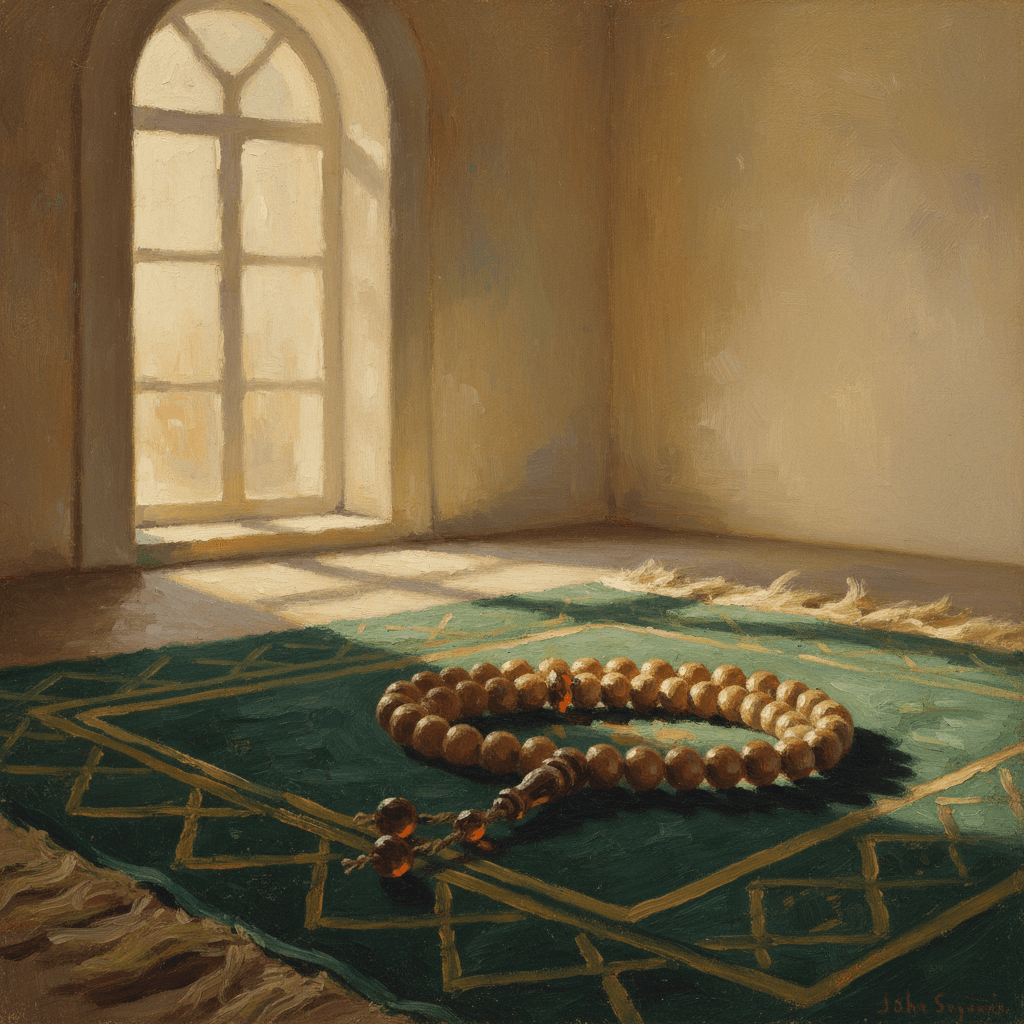
There is a version of shyness that is a virtue. The Prophet ﷺ described haya — a kind of modest reserve — as a branch of faith. Someone who thinks before speaking, who does not push themselves forward unnecessarily, who carries themselves with quiet dignity: that is not a problem to fix.
Then there is a version of shyness that becomes a cage. The conversation you needed to have but could not start. The question you needed to ask but swallowed. The opportunity that passed while you stood on the edge, heart racing, telling yourself next time.
That version — the shyness that stops you from doing what you know you need to do — is what this dua addresses.
The Dua That Asks Allah to Remove Timidity
اللَّهُمَّ إِنِّي أَعُوذُ بِكَ مِنَ الْهَمِّ وَالْحَزَنِ، وَالْعَجْزِ وَالْكَسَلِ، وَالْبُخْلِ وَالْجُبْنِ، وَضَلَعِ الدَّيْنِ وَغَلَبَةِ الرِّجَالِ
Allahumma inni a'udhu bika min al-hammi wal-hazan, wal-'ajzi wal-kasal, wal-bukhli wal-jubn, wa dala'id-dayn, wa ghalabatir-rijal
"O Allah, I seek refuge in You from worry and grief, from incapacity and laziness, from miserliness and cowardice, and from being overwhelmed by debt and overpowered by people."
— (Sahih al-Bukhari 6369)
The word that matters most for shyness is jubn — cowardice or timidity. The Arabic root conveys a shrinking away from what is needed, a retreat from necessary action due to fear of others' reactions. This is exactly the dynamic of paralysing shyness.
The Prophet ﷺ made this dua regularly. He sought refuge from jubn as actively as he sought refuge from debt and grief — treating timidity as a real spiritual condition requiring ongoing supplication.
The phrase wa ghalabatir-rijal — "being overpowered by people" — is also significant. Much of what we call shyness is actually a fear of being dominated, rejected, or judged by people. This dua asks Allah for refuge from that specific experience.
The Story Behind This Dua
This is one of the comprehensive daily duas the Prophet ﷺ taught his Companions as a morning and evening practice. Anas ibn Malik رضي الله عنه narrated that the Prophet ﷺ used to say this dua regularly — not just occasionally in moments of crisis, but as a standing daily supplication.
The listing of jubn alongside worry, grief, incapacity, laziness, and miserliness tells us something important: the Companions understood timidity as a spiritual condition requiring the same active attention as other recognized vices. They did not dismiss shyness as just a personality type to be accepted. They saw it as something to seek Allah's refuge from — something that could be changed.
The scholars note that seeking refuge from something — using a'udhu bika — is not the same as asking Allah to simply take something away. Refuge means turning to Allah as a shield, a protector, while still doing your part. You make the dua, then you take the step. Allah's protection works through your movement, not instead of it.
How to Make This Dua Part of Your Daily Habit
The most effective way to use this dua for shyness is as part of the morning adhkar — the daily morning remembrance practices that set the spiritual tone for the day.
Every morning after Fajr. Say this dua as part of your morning dhikr. The fact that it asks for refuge from multiple conditions at once means it serves as a comprehensive daily reset. You are not asking to never feel shy again; you are asking for divine refuge from the kind of timidity that prevents necessary action.
Before social situations that trigger your shyness. If you know you are about to enter a situation where your shyness tends to take over — a social event, a class, a work meeting — take thirty seconds beforehand to say this dua. Not as a magic fix, but as a conscious turning toward Allah before you need the help.
Pair dua with small concrete steps. Dua without action is incomplete. Identify one small social step you have been avoiding because of shyness and commit to taking it this week. A message you have not sent, a question you have not asked, a conversation you have been postponing. Make the dua first. Then take the step. Report back to yourself on how it went. This is how the nafs learns that the feared thing was survivable.
Track your courage, not your comfort. Comfort grows slowly. Courage is a choice made in the moment of discomfort. Keep a simple record of the social situations you stepped into despite shyness — the conversations you started, the questions you asked, the moments you spoke up. That record becomes evidence that the dua is working.
Track the Daily Dua That Builds Real Inner Courage
DeenBack helps you build consistent morning dua and dhikr habits — so the supplication against timidity becomes daily practice, not an emergency measure.


Free download. Premium features available in-app.
Related Duas for Confidence and Speech
For the deeper spiritual work of building confidence, the dua for confidence is the direct companion to this supplication. When shyness specifically affects your speech and ability to express yourself, the dua for speech asks Allah for the clarity and ease of expression that shyness prevents. For moments of acute fear in social situations, the dua when afraid gives you the immediate supplication for courage.
رَبِّ اشْرَحْ لِي صَدْرِي
Rabbi ishrah li sadri
"My Lord, expand for me my breast." — (Quran 20:25)
This first line of Musa's dua — said alone or as part of the full prayer — is a powerful daily practice for anyone whose chest tightens in social situations. A heart that is expanded can hold fear and still act. A heart that is contracted waits for the fear to pass first — which it never fully does.
Common Questions About Shyness and Islamic Practice
The Prophet ﷺ praised haya — does this mean I should not try to change my shyness? There is an important distinction. Haya is appropriate reserve and modesty — a positive quality. The shyness this dua addresses is jubn — timidity that prevents necessary action. If your shyness is stopping you from seeking knowledge, standing for what is right, or fulfilling responsibilities, it has crossed from haya into jubn. That is worth working on.
What if I have been shy my whole life — is this a personality trait I cannot change? Personality traits have a range. Your natural temperament may always incline toward introversion or quietness. But the paralysing, action-preventing dimension of shyness is trainable — both through dua and through gradual practice. You may never become the most outgoing person in the room. You can become someone who speaks when it matters.
Is it okay to tell people I am shy? Yes, and often this honest acknowledgment actually reduces the social anxiety around it. You are not hiding the thing that everyone can see anyway. Naming it with calm — "I tend to be quiet in groups but I will get there" — is far more dignified than the visible struggle of trying to hide your shyness.
How long before I see results from making this dua? The combination of sincere daily dua and small practical exposure steps tends to show results within weeks to months. Do not expect overnight transformation. Expect gradual reduction in the paralysis — more moments where you choose to speak, fewer where shyness wins.
Your Reserve Is Not Your Limit
The goal of this dua is not to produce the most socially confident, effortlessly outgoing version of you. It is to remove the cage — the specific moments where shyness stops you from doing what needs to be done.
You can be quiet and still speak when you must. You can be reserved and still connect when it matters. You can prefer small gatherings and still stand up in large ones when the situation calls for it.
Ask Allah to remove the jubn. Keep the haya. They are not the same thing.
Build the Daily Supplication Practice That Expands Your Courage
One morning dua at a time, consistently tracked. DeenBack helps you maintain the daily spiritual practice that gradually opens the heart — and keeps it open.
Free download. Premium features available in-app.
Frequently Asked Questions
Is there a dua for shyness in Islam?
Yes. The Prophet taught a dua that specifically asks Allah for refuge from cowardice and weakness: Allahumma inni a'udhu bika min al-hammi wal-hazan, wal-'ajzi wal-kasal, wal-bukhli wal-jubn — O Allah, I seek refuge in You from worry, grief, incapacity, laziness, miserliness, and cowardice (Bukhari 6369). The word jubn means both cowardice and timidity — which includes the social paralysis of shyness.
Is shyness itself sinful in Islam?
No. Shyness in the sense of natural reserve and modesty (haya) is praised in Islam — the Prophet said faith is seventy-odd branches, and haya is a branch of faith (Bukhari 9). The shyness that becomes a problem is when it stops you from speaking the truth, seeking knowledge, building necessary relationships, or fulfilling your responsibilities. That kind of paralysis is what the dua addresses.
How is Islamic haya different from social anxiety?
Haya is a positive restraint — choosing not to do what is inappropriate, speaking with thoughtfulness, not seeking attention. Social anxiety is a fear of judgment that restricts your ability to function. Haya is a virtue to cultivate; social anxiety is a difficulty to overcome. You can have high haya and low social anxiety.
What practical steps can I take alongside dua to overcome shyness?
Gradual exposure works — start with smaller social situations and build from there. Prepare things to say before events where you know you will need to speak. Focus outward (on the other person) rather than inward (on how you are coming across). Each small step, done with dua, trains the nafs to handle social situations with less fear.
Will shyness go away completely if I make enough dua?
Probably not completely, and that may be fine. Natural reserve and thoughtfulness in speech are praiseworthy. What dua and practice can do is prevent shyness from being paralysing — so it becomes temperament rather than prison. The goal is not the extrovert personality; it is the ability to act when you need to act.